
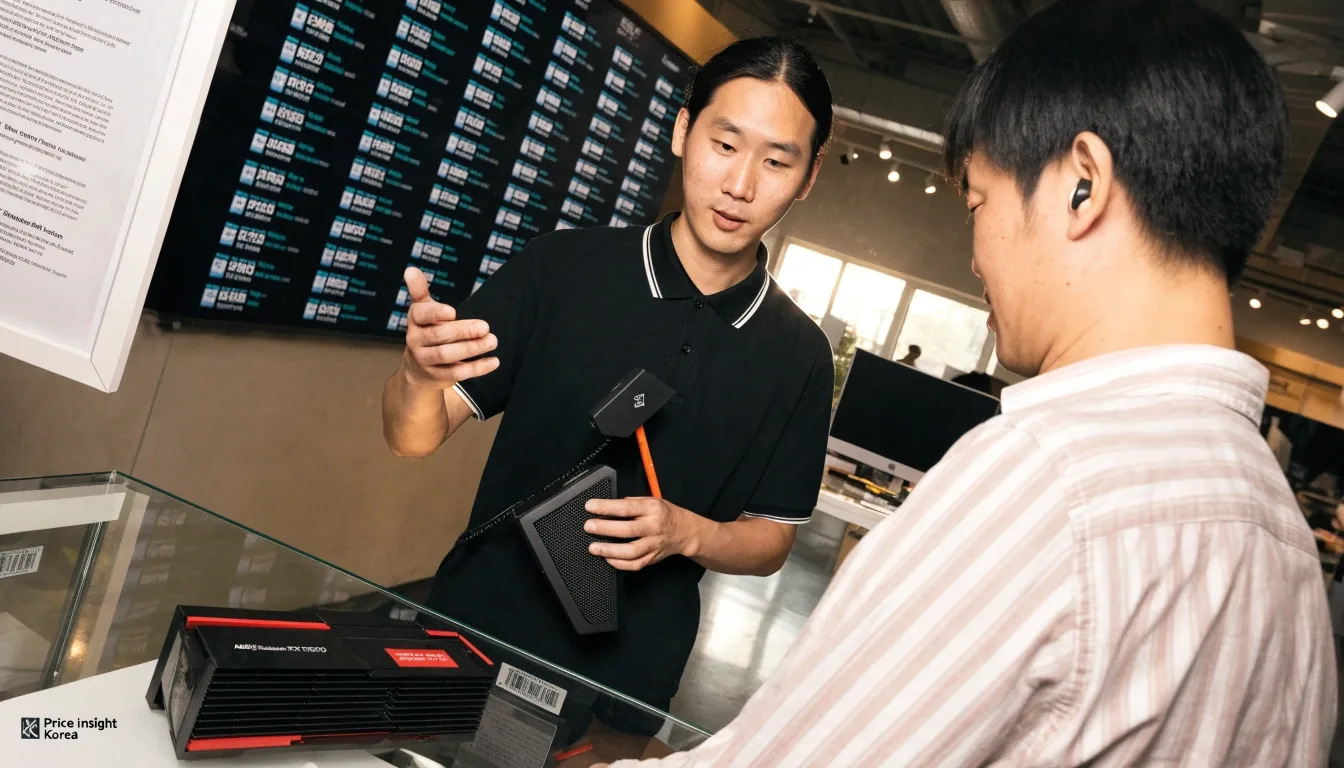
Waiting prices, Jongno-gu
How GPU prices move in Korea
Korean graphics card prices are not fixed. Stock, exchange rates, distributor allocations and demand push them in both directions — this page shows what we have seen on RTX 50-series listings and how to read the market without guessing.
Where these numbers come from
Every figure below comes from public Korean retail listings tracked across several sellers, primarily on Danawa, the comparison platform Korean tech coverage cites. We use it as a range check, not as a promise about tomorrow. Prices move both up and down.
Tracked models
3 families named
Source type
Live retail listings
Checked
Before every quote
Why RTX 50 prices have been climbing
Through 2026 multiple Korean reports tracked price increases across RTX 50-series cards. The RTX 5070 has been cited moving to around ₩1,100,000 in some listings, and the RTX 5060 Ti 8GB showed up in the same coverage. This is not one retailer adjusting a tag; it is a market-wide pattern visible across many sellers at once.
When several shops move in the same direction inside a short window, the cause usually sits above the shop — allocation, freight, or currency. That is why comparing a single shop's price against a friend's screenshot rarely settles the question.
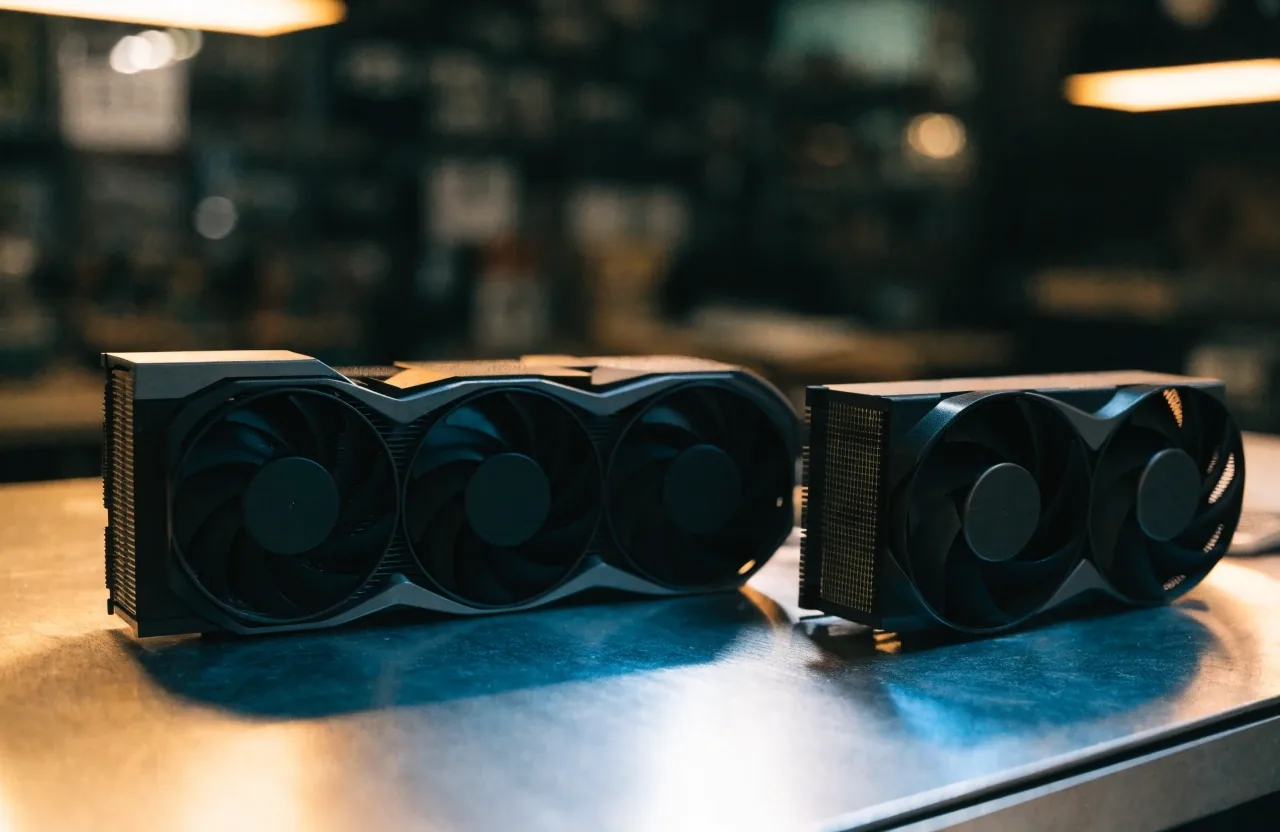
What changed on tracked RTX 50 listings
RTX 5070 named range in Korean coverage
≈ ₩1,100,000
RTX 5060 Ti 8GB tracked in the same reports
Named in coverage
Scope of the change
Market-wide pattern
One tracked RTX 5060 Ti 8GB listing
₩472,500
→
₩706,120
A large change on a midrange card, and short enough that buyers noticed week to week. The specific figure matters less than the shape of the move: mid-range cards are not insulated from the same pressure that lifts flagship models.
Starting point
Where the listing sat earlier in the tracked window.
What matters
Median of several sellers, not the loudest listing.
The RTX 5060 Ti 8GB example
The point is not the number itself. It is that a mid-tier card can move as much as a flagship when the market tightens, and that a single listing tells you less than a spread across several sellers.
Use tracked RTX 5060 Ti price coverage as a benchmark for whether a seller's number sits inside the current cluster or off on its own.
AIB partner cards and the factory OC premium
AIB partner cards from MSI, ASUS and others carry their own pricing on top of the GPU tier. A factory overclocked card costs more than a base model of the same chip, and a better cooler adds another step.
The MSI RTX 5060 Ti VENTUS 2X PLUS OC appeared in Korean tracking with a rise from around ₩740,860 to ₩1,109,280 in a short period. That is a dual-fan mainstream card, which shows the OC and cooler premium does not isolate a card from market movement — it only shifts where it starts.
When you compare an OC card against a base card, subtract the tier difference first and look at the premium on top. If the premium grows at the same pace as the base card, that is market pressure, not a fancier cooler.
MSI RTX 5060 Ti VENTUS 2X PLUS OC
Earlier tracked listing
₩740,860
Later tracked listing
₩1,109,280
Dual-fan mainstream tier, so the OC premium did not shelter the card from the same market move that hit other RTX 50 listings.
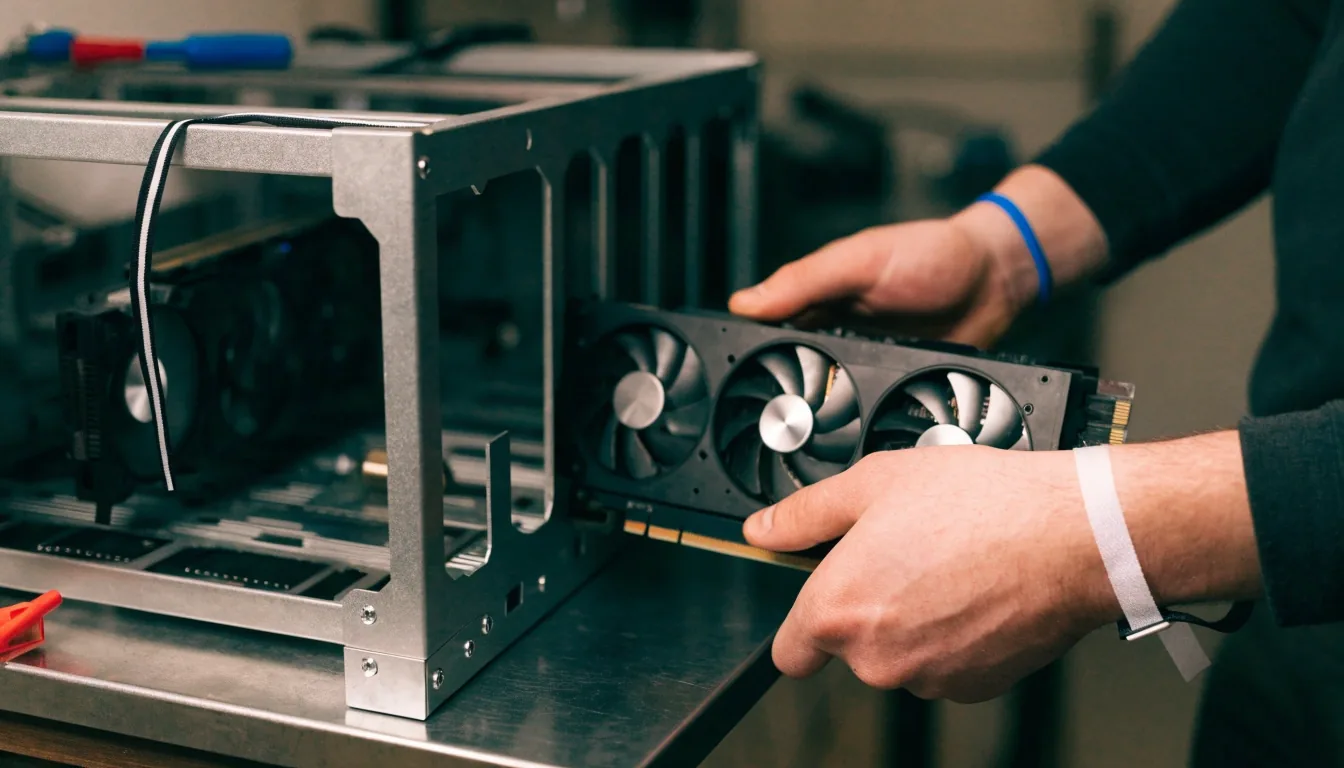
Why the RX 9070 XT has been steadier
The Radeon RX 9070 XT uses GDDR6 instead of GDDR7. Korean coverage has noted it as less affected by the RTX 50 price pressure, and the memory type is the main reason given.
GDDR7 supply and its own pricing feed directly into RTX 50 card cost in a way that GDDR6 does not for AMD. This is a structural difference in the bill of materials, not a marketing angle — and it is why two cards in the same price class can behave differently over the same month.
RTX 50-series
GDDR7
Sensitivity to memory supply
Higher
Observed through 2026
Climbing
RX 9070 XT
GDDR6
Sensitivity to memory supply
Lower
Observed through 2026
Steadier
The check before any quote
Read the spread, not the loudest number
A single high listing is not the market. The spread across several sellers for the same model is the reading that tells you whether you are looking at today's price or one seller who ran short of stock.
Reading the shape of a listing spread
Tight cluster
Most sellers sit within a few percent of each other. That is the going rate this week, and a fair reference for negotiating or buying.
Scattered range
Listings spread widely. Stock is uneven across sellers. Wait a few days before treating any single number as the reference.
Sharp spike in one line
One seller pulled away from the pack. Usually a supply issue, not a market change. Check another seller before you assume the worst.
Fast move either direction
Large jumps and drops both settle. Give the market a few days before making a call.
How Danawa tracking works for buyers
Danawa is the Korean comparison platform where GPU prices across retailers are visible in one place. It reflects live comparison shopping behavior, which is why Korean coverage cites it. Use it to see the spread for a specific model, not just the lowest number.
A wide spread usually means stock is uneven across sellers. That gives you a decision, not a verdict: either pick the seller you trust at a fair number inside the cluster, or wait for the range to narrow.
How to read a listing you just opened
Note the lowest number, then scroll and note the median across sellers for the same model.
Compare the current week's spread with the same card two weeks ago, if the platform keeps history.
Check the seller's own shipping and warranty line; a low number with unclear aftercare is not the same deal.
Before you buy, ask the shop whether the price they quote reflects today's listings or an older allocation.
If the spread is wide, write the numbers down. Two days later the same list is a fair comparison.
Reading a price without panicking
A single high listing is not the market. Look at the spread across several sellers for the same model.
If most listings cluster around one number, that is the going rate this week. If they are scattered, wait a few days and check again. Rapid movements in either direction usually settle.
Bring the numbers you collected and we can compare them against what we are seeing on the same model in Jongno-gu, side by side, without adding pressure.
When waiting helps and when it does not
If you have a working PC, waiting costs you nothing but time, and prices do move. If you need a machine now, waiting costs you months of use for a price change that may go either way.
There is no universal right answer here. What we will not do is push a card on a single listing without checking the spread — that is the wrong answer for the buyer, every week.
Waiting tends to help when
You already have a working PC, or the spread is wide right now.
Buying now makes sense when
You need a working machine this month and the listing sits inside a tight cluster.
How we price in the store
We check current Korean listings before quoting anything, including Danawa, so our numbers reflect what is actually happening in the market that week. We will tell you when a card looks temporarily inflated relative to its usual range and when it looks like a fair price.
If the honest advice is to wait, that is what you will hear. That is easier to say when the shop is a bench you visit, not a checkout page you leave behind. You can also read the buying guide first, then come in with a model shortlist rather than a single guess.
What you will hear from us
The current week's range before any quote, and a plain answer on whether to buy or wait.
We quote against this week's listings, not last month's allocation.
We flag a card that looks temporarily inflated relative to its usual range.
We tell you when a lower-tier card covers your actual build.
We suggest waiting if the spread still looks uneven.
Visit the Jongno-gu store
Bring your shortlist and the numbers you saved this week. We will line them up against what we are seeing on the same model and tell you where the fair price sits today.
Address
12, Saeun-ro, Jongno-gu, Seoul, 03157, Republic of Korea
Phone
+82-2-2268-1234
Hours
Mon–Fri: 09:00–18:00