
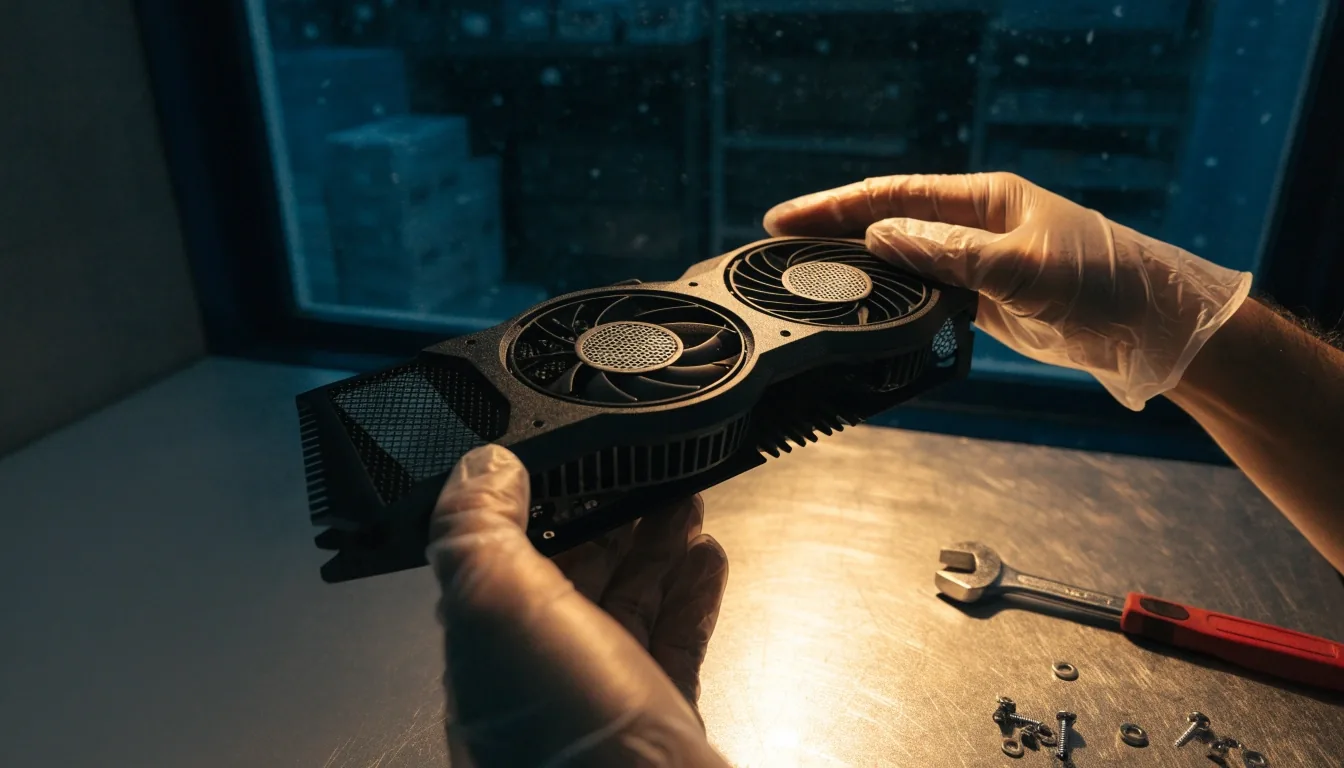
Lumivane GPU store · Jongno-gu, Seoul
Browse graphics cards by tier and cooling
This is what we carry, organized the way buyers decide: performance tier first, then memory, then cooler design. Every card listed is one we can talk through at the store.
Mainstream tier: RTX 5060 and RX 9070 XT sit at opposite ends
The base RTX 5060 is the entry point into the current RTX 50-series family. It has an official NVIDIA Korea page and full DLSS and ray tracing support. It is aimed at 1080p, and it is the card we suggest when someone wants current-generation features without a large spend.
The RX 9070 XT is the opposite end of the AMD conversation: high-end performance, GDDR6 memory, and a different feature set. If your build is already AMD-shaped, or you want to see what the alternative lane looks like before you commit, start here.
Entry point vs AMD high-end
Model
RTX 5060
Target resolution
1080p
Memory type
GDDR7
Upscaling
DLSS 4
AMD counterpart
RX 9070 XT
AMD memory
16GB GDDR6
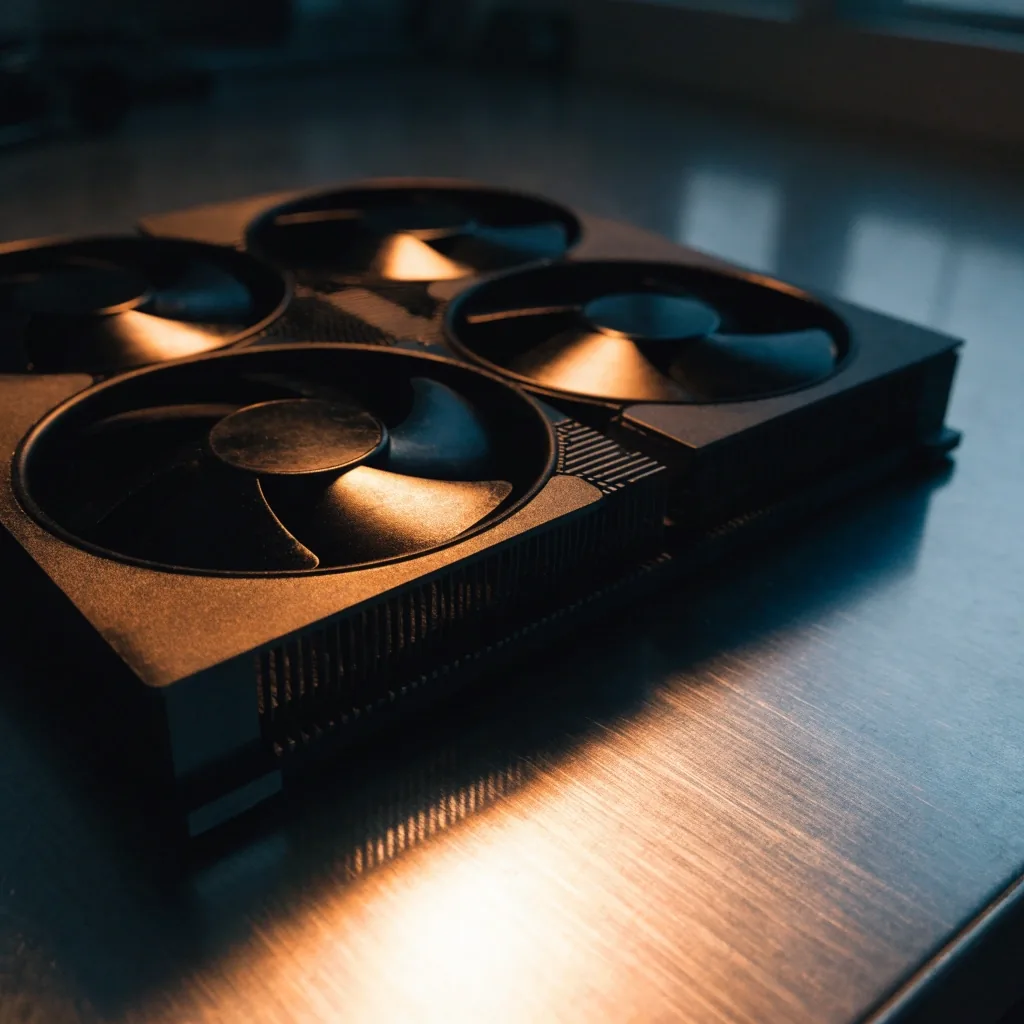
RTX 5060 Ti · two memory trims
RTX 5060 Ti, in two memory versions
The 5060 Ti comes in 8GB and 16GB trims. Same GPU, same cooler options, different memory. The 8GB version is the cheaper entry, and Korean reports have tracked it in the RTX 50 price increases. The 16GB version costs more upfront and gives you headroom for texture-heavy games and any creator work. We keep both, because the right answer depends on what you play.
The honest way to choose: look at the games you actually play and how many of them push past 8GB at your resolution with high texture settings. If a few titles already sit close to the ceiling, the 16GB trim is the version you will not second-guess in eighteen months.
Read the buying guide8GB trim
RTX 5060 Ti 8GB
8GB
GDDR7 memory
Lower entry price. Fine for the games you already know stay inside the budget, and the version most people pair with a 1080p or 1440p mid-settings plan.
16GB trim
RTX 5060 Ti 16GB
16GB
GDDR7 memory
Worth it when texture-heavy titles or creator work are on the plan. Same cooler options as the 8GB card, so the size you build around does not change.
Both trims take the same dual-fan and triple-fan cooler options we stock, so case clearance and airflow matter regardless of which memory size you pick.
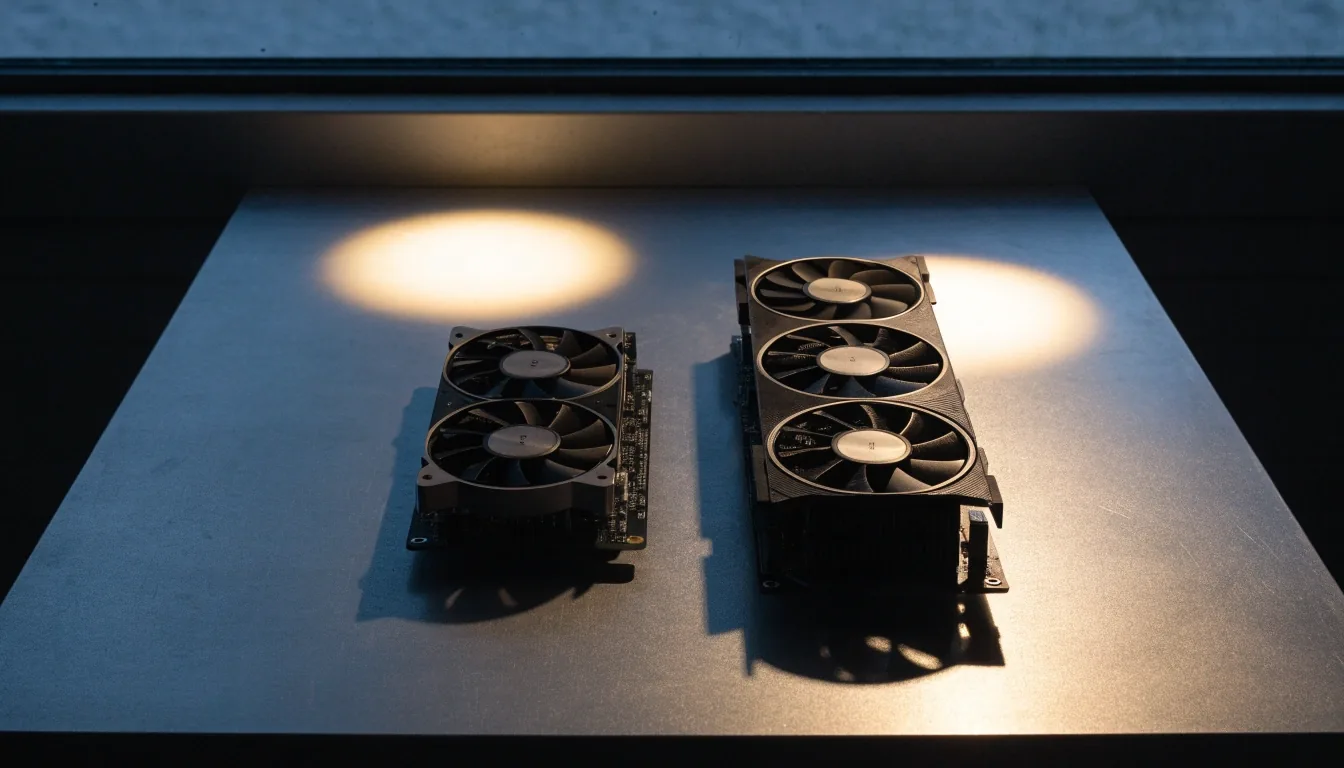
RTX 5070: the 1440p workhorse
The RTX 5070 is the card most 1440p buyers end up with. It has been named in Korean pricing reports as a model that moved upward in local listings, with tracking citing a jump to around 1.1 million won in some cases. The card itself is a mainstream RTX 50-series gaming option. The price is the variable part, not the performance.
Performance lane
RTX 5070
The version most 1440p builds settle on when they want one card that covers high-refresh gaming without moving into high-end territory.
Listings context
Korean price movement
Korean reports described RTX 50 listings climbing through the year, with tracking citing a move to around 1.1 million won on some 5070 listings. We cannot promise a number to anyone, because the number moves. What we can do is read the current listing with you, compare it against the AMD lane, and tell you what the gap looks like today.
If the premium on the NVIDIA side has widened past what you care to pay for ray tracing and DLSS, the RX 9070 XT is the alternate lane we stock. That is a real comparison, not a downgrade.
Cooler designs: dual-fan and triple-fan
AIB partner cards split broadly into dual-fan and triple-fan designs. Dual-fan cards are shorter and fit small form factor builds. Triple-fan cards run cooler and quieter under sustained load but need more case room. The MSI RTX 5060 Ti VENTUS 2X PLUS OC is our reference example of a compact dual-fan mainstream card. Neither design is better in the abstract; they solve different problems.
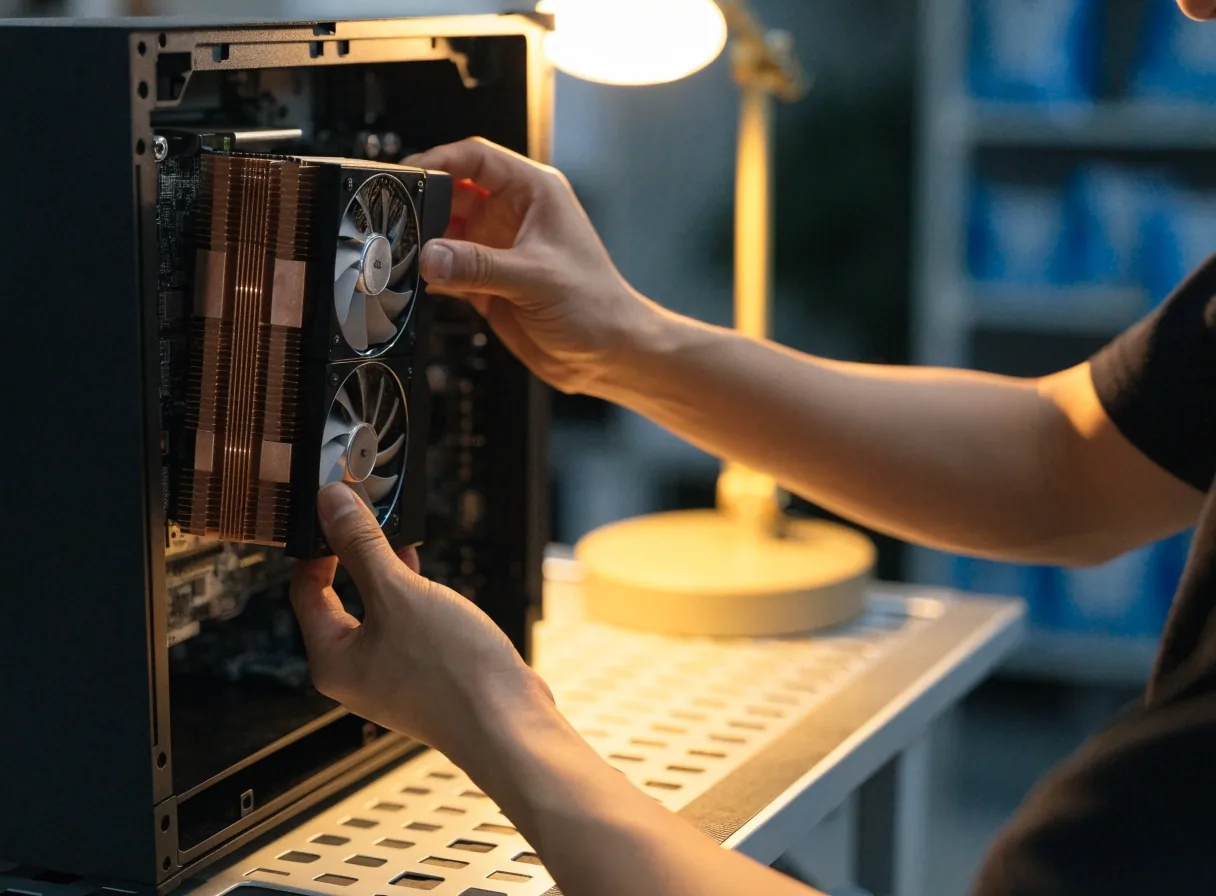
Dual-fan · compact
Shorter board, fits small form factor cases. Our reference dual-fan card is the MSI RTX 5060 Ti VENTUS 2X PLUS OC.
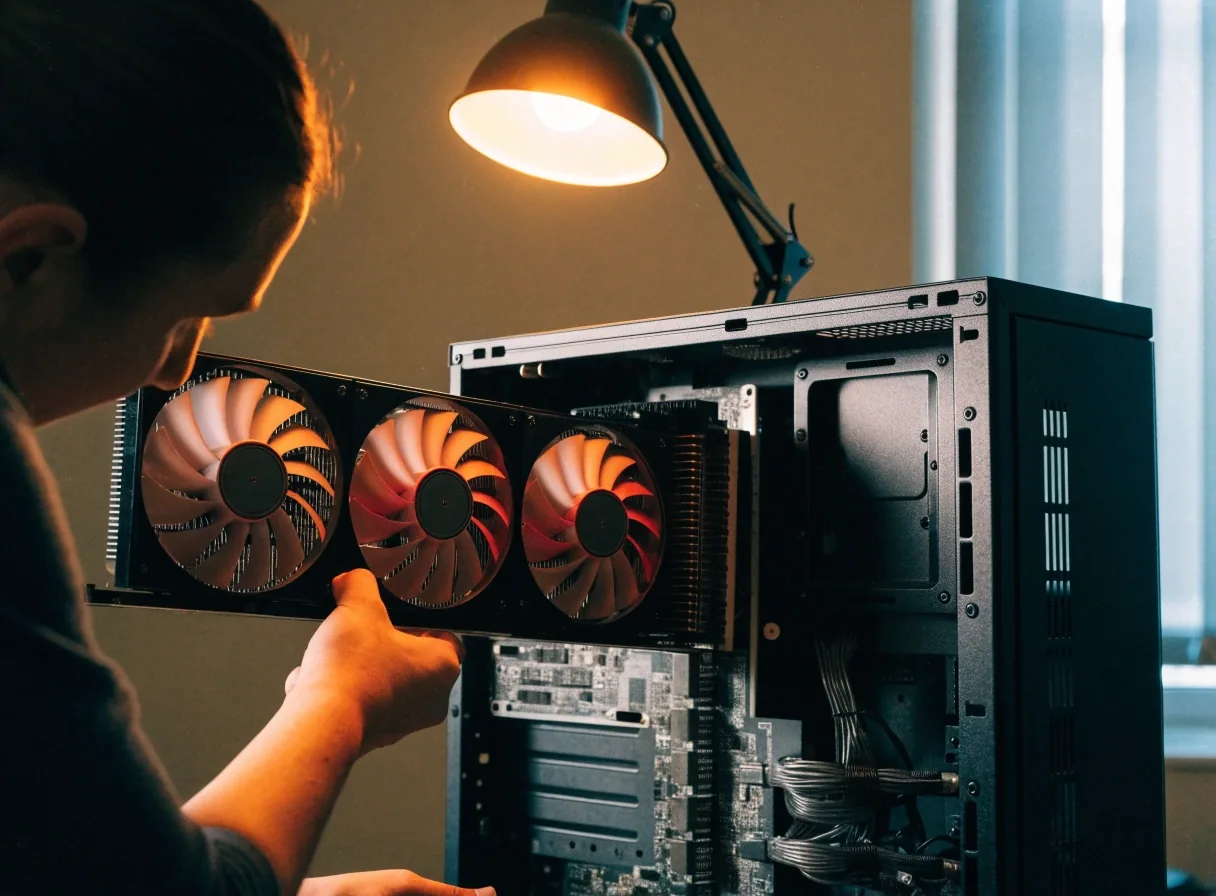
Triple-fan · long
Runs cooler and quieter under sustained load, but you need the case room. Measure the bay before you commit.
Factory overclocked models
Within each tier you will find factory overclocked variants with higher out-of-box boost clocks. The clock difference is small in real games. The cooler and power delivery differences are what you notice, especially in Korean summer heat and in cases with limited airflow. We will tell you when the OC premium is buying you something and when it is not.
That is the part of the catalog where a salesperson helps and a spec sheet does not: which OC variant has the better board, and whether the extra boost clock will matter in your room in July.
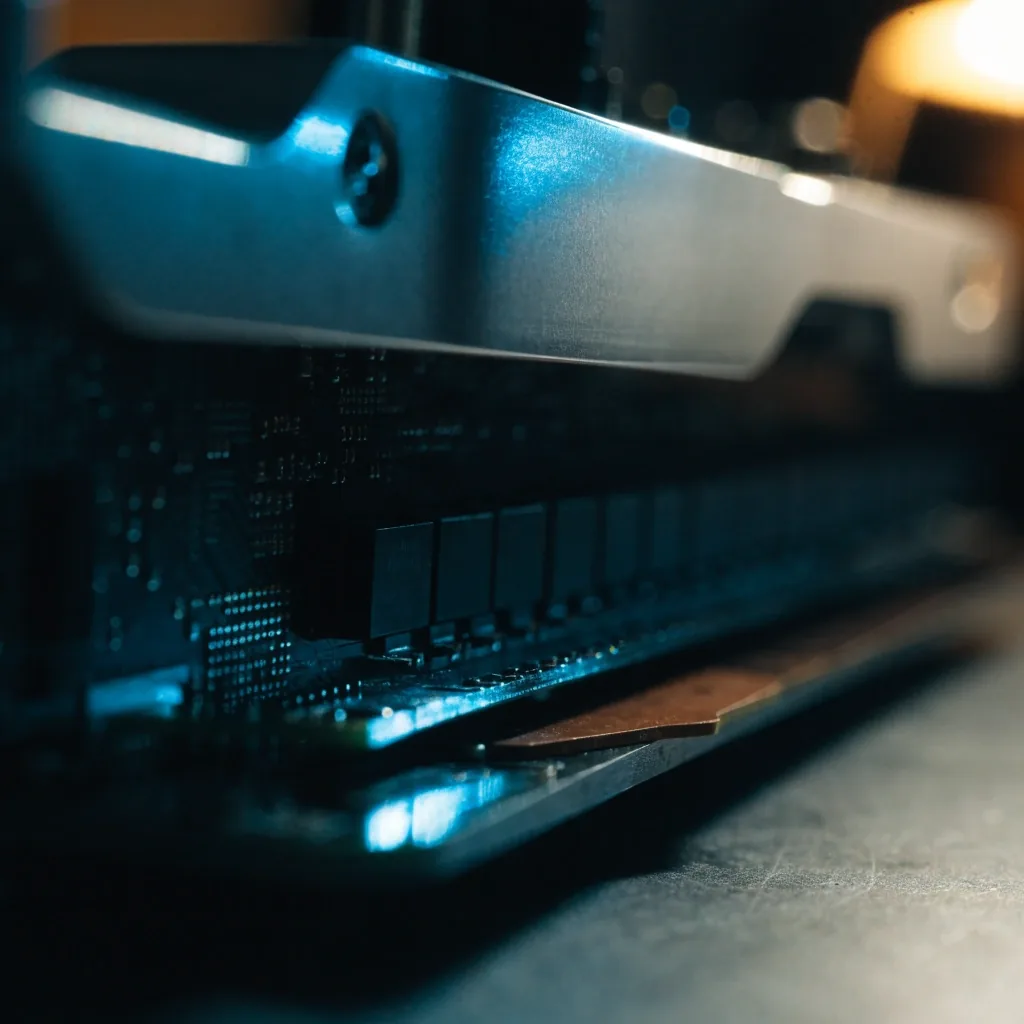
Memory: GDDR7 and GDDR6 in the same market
RTX 50-series cards use GDDR7 memory. The RX 9070 XT uses GDDR6. That difference is why the AMD card has been less exposed to the price pressure Korean reports describe on RTX 50 listings.
GDDR7 is faster memory, which matters for ray tracing and high-refresh gaming. GDDR6 on a well-designed card is not a bottleneck at 1440p.
Memory lane comparison
Card family
RTX 50-series
Memory standard
GDDR7
AMD counterpart
RX 9070 XT
AMD memory
GDDR6
Where the price pressure sits
RTX 50 listings
1440p reference: RTX 5070
12GB
GDDR7 · 1440p target
If your workload leans on high-refresh ray tracing, the memory standard is part of the reason to stay on the NVIDIA lane. If it leans on raw frame throughput at a fixed budget, the AMD card makes a real case. We walk through both against your monitor and your case at the store.
What to check before ordering
Four things decide whether a card works in your build: case clearance in millimeters, power supply wattage and connector type, monitor resolution and refresh rate, and whether your workload needs NVIDIA-specific features like DLSS. Bring those numbers in and we can cut the catalog down to two or three real options.
-
Case clearance
Measure the bay in millimeters. A triple-fan card is longer and often thicker than the box render suggests.
-
Power supply
Wattage and connector type decide whether the card is a drop-in or a rebuild. Bring your PSU label along.
-
Monitor
Resolution and refresh rate set the tier that makes sense for you. A 1080p 60Hz panel does not need a 1440p card.
-
Workload features
If you rely on NVIDIA-specific features like DLSS, that narrows the lane before price even enters the conversation.
Bring those four numbers and the catalog turns into a shortlist. Without them, every card on this page looks plausible, which is exactly the trap.
Cards for creator and AI workloads
RTX cards are not only for gaming. NVIDIA has been positioning the RTX platform toward creator and AI work, and RTX Spark appeared in its 2026 COMPUTEX announcements as part of that push. Video editing, 3D rendering, and local AI models all lean on VRAM and CUDA differently than games do. If that is your use case, say so early, because it changes the recommendation.
A video editor and a gamer looking at the same 16GB card are not buying the same thing. The editor wants VRAM headroom on the timeline; the gamer wants frames. Tell us which one you are and the shortlist changes shape.
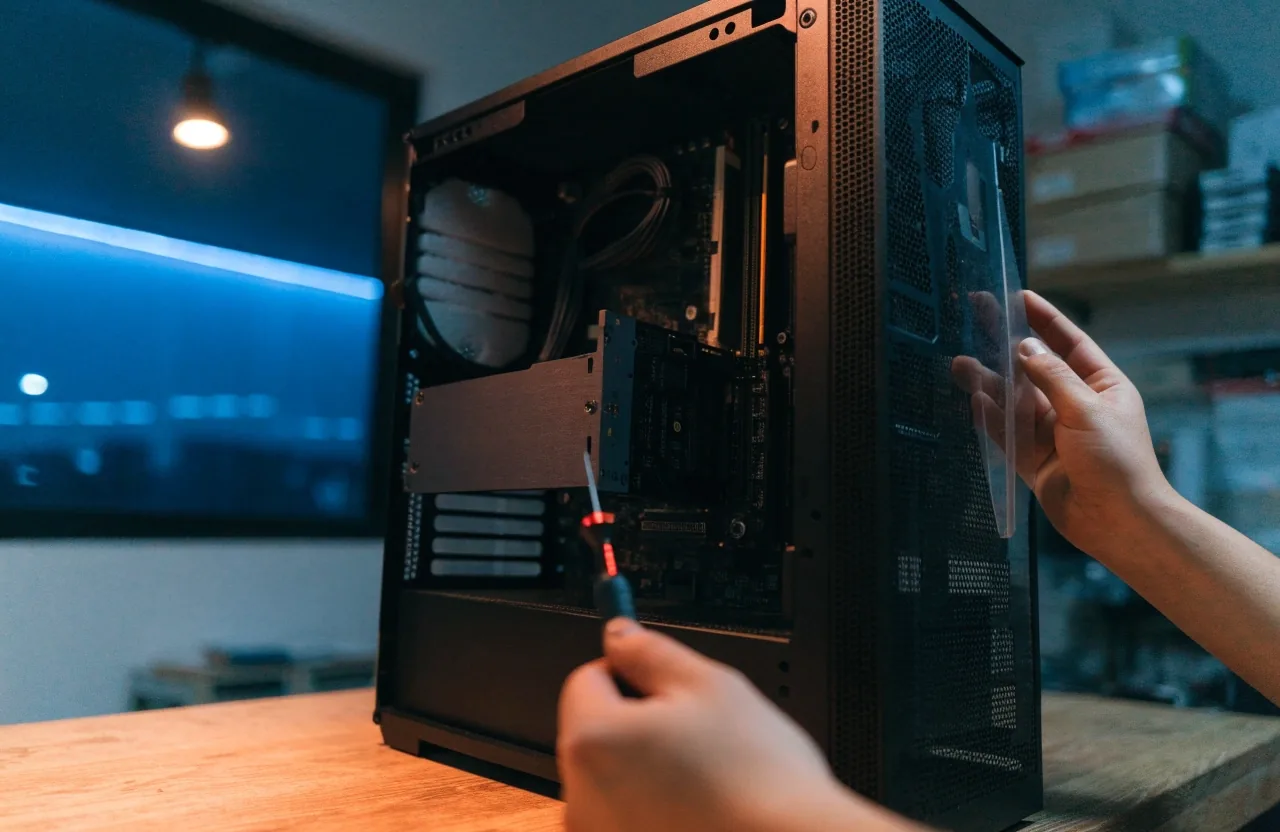
Creator build fit check
VRAM and CUDA change the recommendation before raw gaming frame rate does. Bring your workload and the case you plan to build in; we can walk through which tier holds up on your timeline or render.
Questions buyers ask before they decide
Is the 8GB RTX 5060 Ti enough for 1440p?
It depends on the games. At medium-to-high texture settings many modern titles sit comfortably; the ones that stream heavy textures will start to push the 8GB ceiling. The 16GB trim exists because that ceiling is real. Bring a couple of titles you actually play and we can point you to the safer of the two.
Do I need the factory overclocked version?
The boost clock difference is small in real games. The board and cooler the OC variant ships with is the more useful difference, and that varies by model. Ask us about the specific variant you are looking at and we will tell you whether the premium is buying you a real improvement or just a badge.
Will a dual-fan card fit my small case?
Usually yes, because dual-fan partner cards are shorter by design. Measure your bay and check the shroud thickness, not just the length. The MSI RTX 5060 Ti VENTUS 2X PLUS OC is the compact reference we keep on the bench for exactly this comparison.
Is GDDR6 on the RX 9070 XT a problem at 1440p?
On a well-designed card, GDDR6 is not a bottleneck at 1440p. Where GDDR7 pulls ahead is ray tracing and the highest refresh gaming, and that is the same place the NVIDIA lane earns its price. We can compare the two cards against your actual monitor and settings at the store.
Visit the Jongno-gu store
The catalog on this page is the same list we keep on the bench. If you want to hold a card, check the shroud thickness against your case, or compare the RTX 5060 Ti trims side by side, come in during store hours and we will walk it through with you.
Store details